CMS for relational research
Designed and built a custom content management system to meet requirements respecting Indigenous data sovereignty. Presented paper at ComputEL-6 conference.
Year
2023
Company
University of British Columbia
Description
The project goal was to create a content management system (CMS) that integrated First Nations Information Governance Center’s framework for ethical use of community-provided data in academic research. Strong data governance policy and continuous community feedback on research is imperative to ensuring a community’s sovereignty over their data.
Problem Statement
As a researcher, how can data collected for research and development be uploaded, manipulated, and stored in a way that is ethical and transparent to the community from which the data is collected from?
UX and UI Design
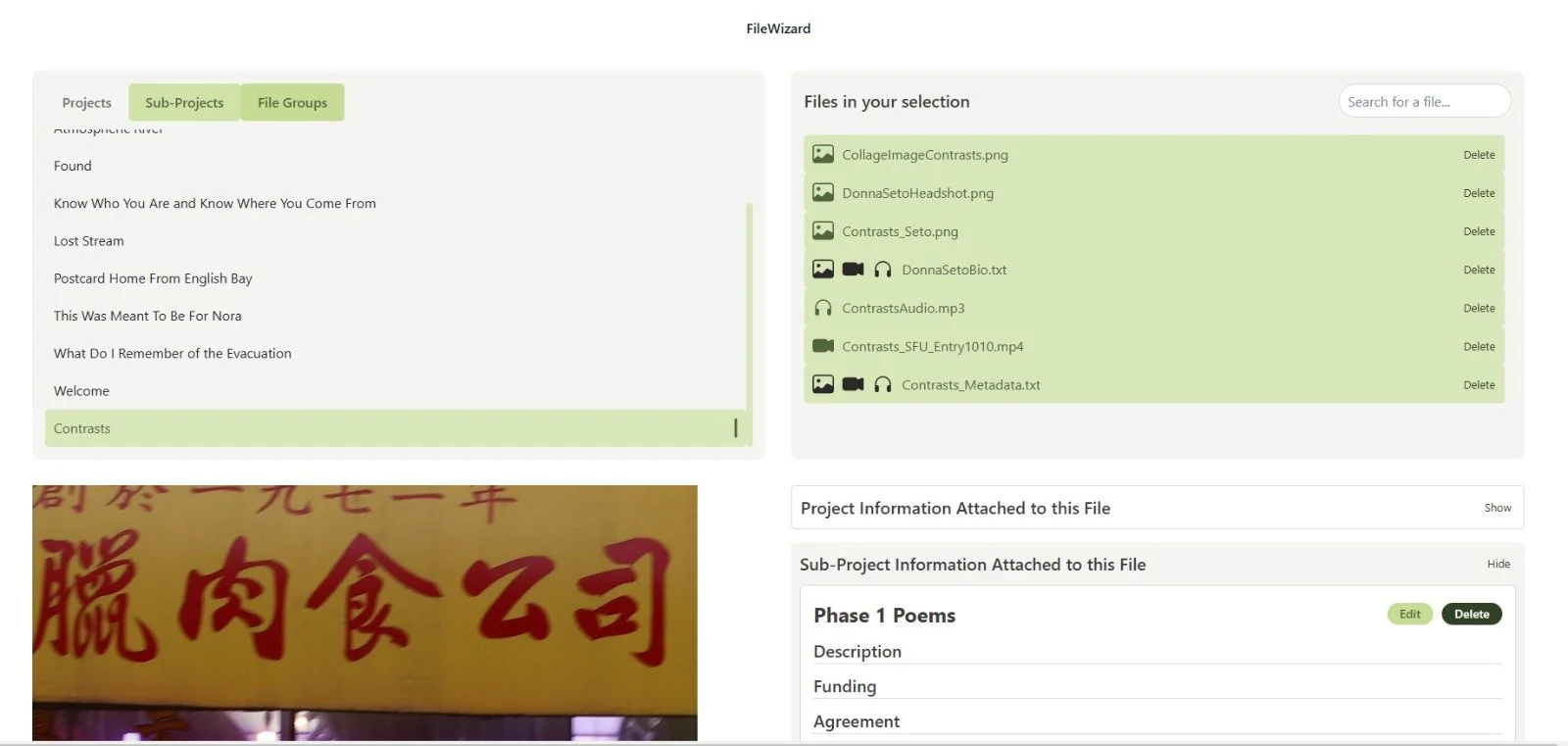
In designing the CMS, much focus was put into making the ‘black box’ a transparent one so the community can hold researchers accountable in the use of research data. Emphasis was placed around two users:
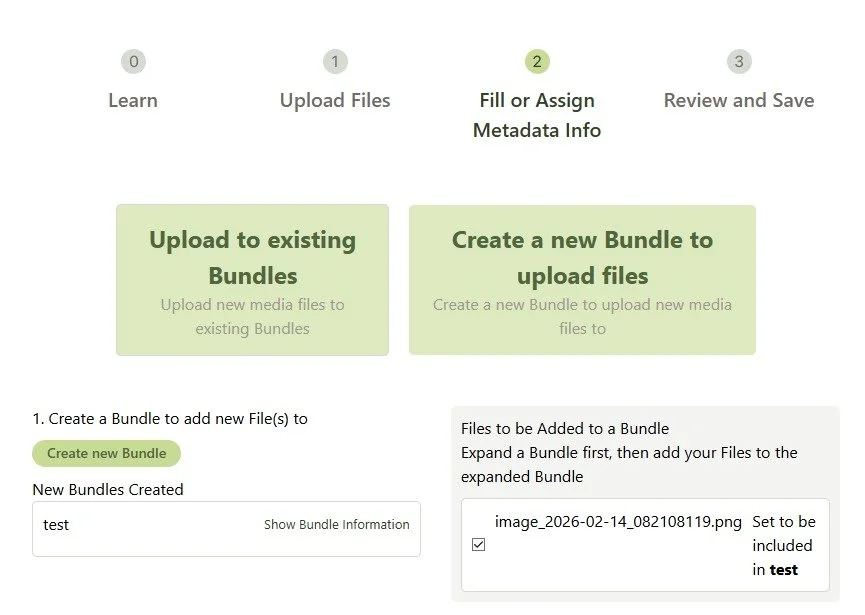
1. User journey of the researcher: in the upload and meta-data labelling process as an ethical curation of online assets
2. User journey of the data provider/community member: having full transparency and real-time visibility into the use of data, with meaningful access and control to retain data sovereignty post upload
This was guided by subject matter expert Kayla Lar-Son, Indigenous Programs & Services Librarian at the UBC X̱wi7x̱wa Library.
Development
Key features were developed as a React application with a Drupal backend, with a focus on:
Transparency and autonomy to control data usage, storage and handling for communities in collaboration
Enforced organization
Simple and user-friendly interface
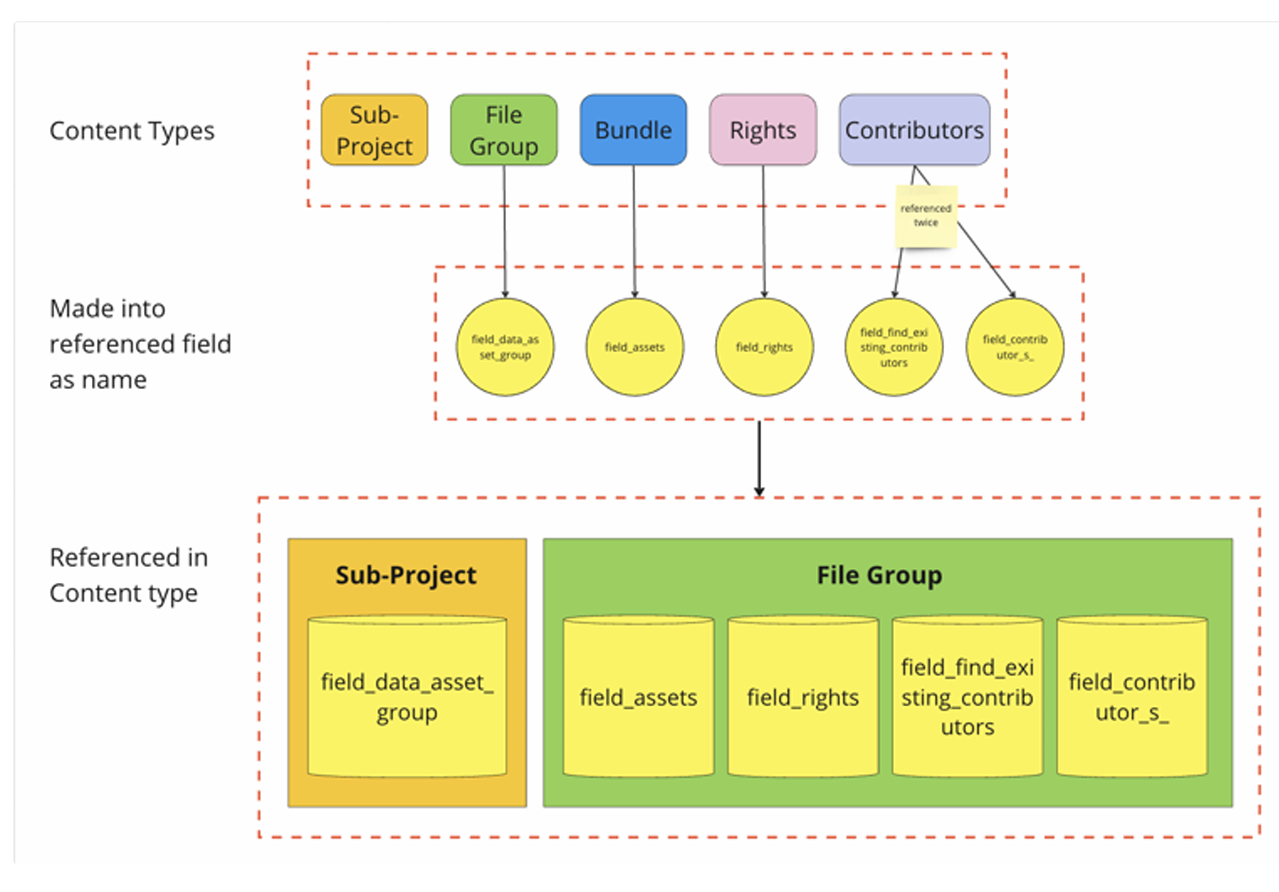
The frontend is mainly comprised of React to create a web app, but uses some other frameworks/libraries such as Chakra UI, React Flow and, Axios to help enable functionality and assist in development load. The backend is comprised mostly of Drupal REST API, Drupal JSON API that request for data from custom views.
Conclusion
The CMS has been deployed and is currently used by UBC Community Engaged Documentation and Research , with development process and build presented in ComputEL Session 6, in the context of using Computational Methods in the Study of Endangered Languages.